
86 Tram as Cultural Institution
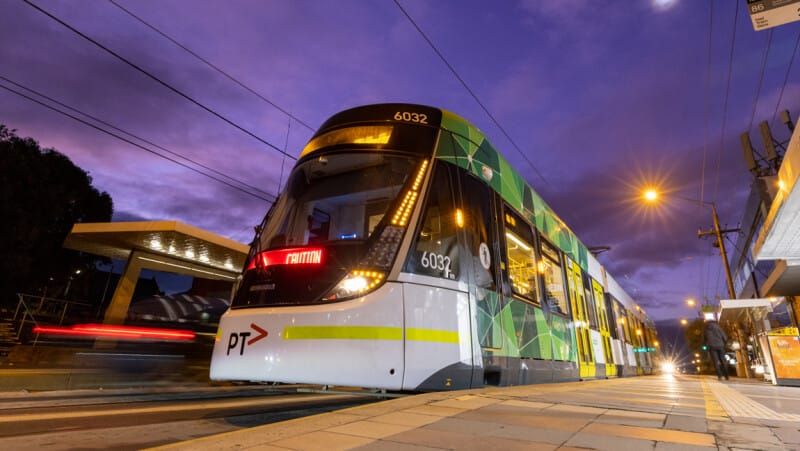
Melbourne’s 86 tram has its own mythology. Bedroom Philosopher literally wrote an album and live show called Songs From The 86 Tram, following the lives of passengers as the tram runs from Bundoora to Docklands via Northcote, Collingwood and the CBD, with tracks like “Northcote (So Hungover),” transforming inner-north hangovers into cult comedy. It’s a route that doesn’t just move bodies; it carries a whole inner-north way of living.
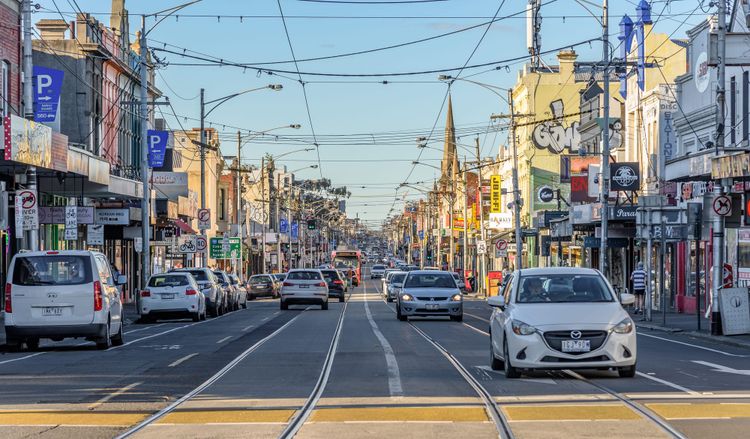
From Smith Street to High Street, the 86 maps a familiar arc for many Melburnians: you start close to the city for noise and nightlife, then drift north as you chase a bit more space, quieter streets and the chance to stay in the same cultural orbit even as life changes.
Collingwood
Live Music, Myth and After-Dark Energy
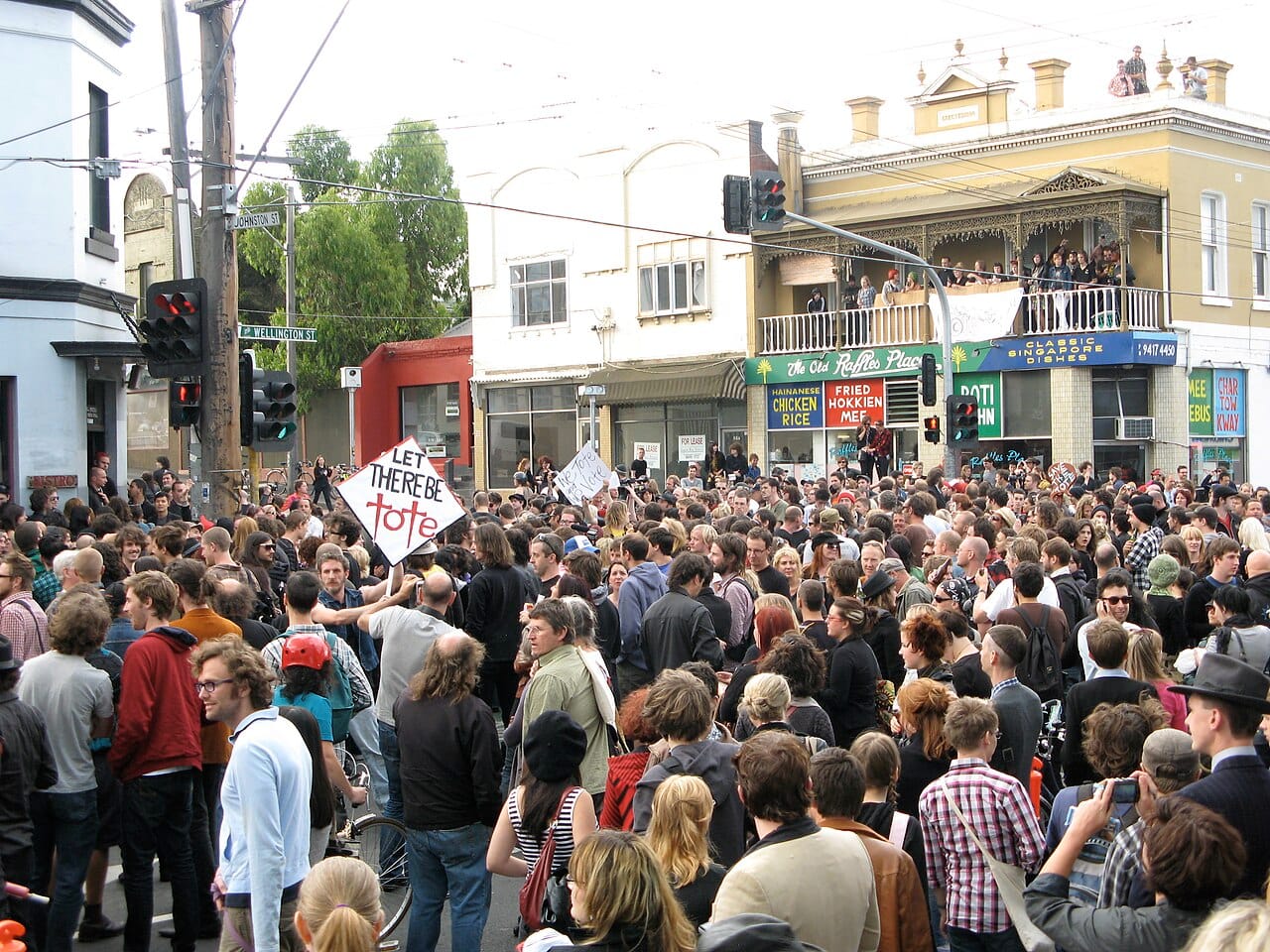
Collingwood is where Melbourne goes to stay out late. It’s a suburb of band tees and gallery openings, hospo knock-offs and people who still choose a pub based on who’s playing upstairs. Old working-class bones, new hospitality polish and art-world icons all share the same blocks.
On Johnston Street, the Keith Haring mural is central to the area’s mythology: painted in 1984 on the wall of the old Collingwood Technical College, now heritage-listed and sitting right next to the Tote. It’s one of the clearest symbols of how Collingwood has long been a place where global art and everyday street life intersect.
Smith Street itself has been internationally recognised as the beating heart of this energy. In 2021, Time Out crowned Smith Street the “coolest street in the world”, topping 30 global contenders and cementing its status as Melbourne’s nightlife and shopping spine. The strip is a compressed version of the city at its most magnetic: queer venues, live-music pubs, natural-wine bars, independent shops and unfussy places to eat at almost any hour.
Collingwood also carries real literary and screen weight. Helen Garner’s Monkey Grip fixed Fitzroy and Collingwood share-house culture, music and emotional chaos in the Australian imagination, often described as the quintessential Melbourne novel of the inner north. TV series like Offspring have repeatedly leaned on Collingwood and Fitzroy cafes and laneways as shorthand for contemporary Melbourne life.
Collingwood suits musicians, venue regulars, young creatives, design-world professionals and anyone who wants rehearsal rooms, natural wine, good food and a 1am decision about one more band to be part of their everyday life.
Eat
- Long, smoky dinners at Zareh on Smith Street, where Tom Sarafian's Armenian and Lebanese heritage drives a charcoal-heavy menu — harissa lamb cutlets, chicken kebab with toum, bastourma toast and signature hummus — that matches Collingwood's appetite for generous, committed nights out.
- Snacks and pasta at Hope St Radio inside Collingwood Yards, where DJs, courtyard energy and the arts-precinct setting make dinner feel half social scene, half cultural event.
- Refined neighbourhood dining at Smith St Bistrot — Scott Pickett's French bistro channels Paris circa 1930, with burgundy banquettes, caviar service, vol-au-vent d'escargot and dirty Martinis, for the version of Collingwood that's grown up without losing its taste for low light and long conversations.
Drink
- Victorian wine and bubbling raclette at Smithward, the kind of tiny, obsessive bar Collingwood does so well.
- Natural wine on tap at Glou, with a room full of design-literate locals who care about low-impact drinking and high-impact flavour.
- Precision cocktails at Above Board, a hidden, award-winning bar that rewards people who actually pay attention to where they drink.
Do
- See a band at The Tote, the venue you simply can’t leave out of any Collingwood story – a rock institution that continues to anchor Melbourne’s live-music identity.
- Start a night at Grace Darling Hotel, where the heritage pub and upstairs band room embody the suburb’s old-meets-new cultural DNA.
- Walk Johnston Street from the Keith Haring mural through Collingwood Yards and into the broader gig orbit of The Tote, The Gaso and Lulie Tavern – a cluster that makes this side of the 86 feel like a permanent festival.
Northcote
High Street’s Grown-Up Glow
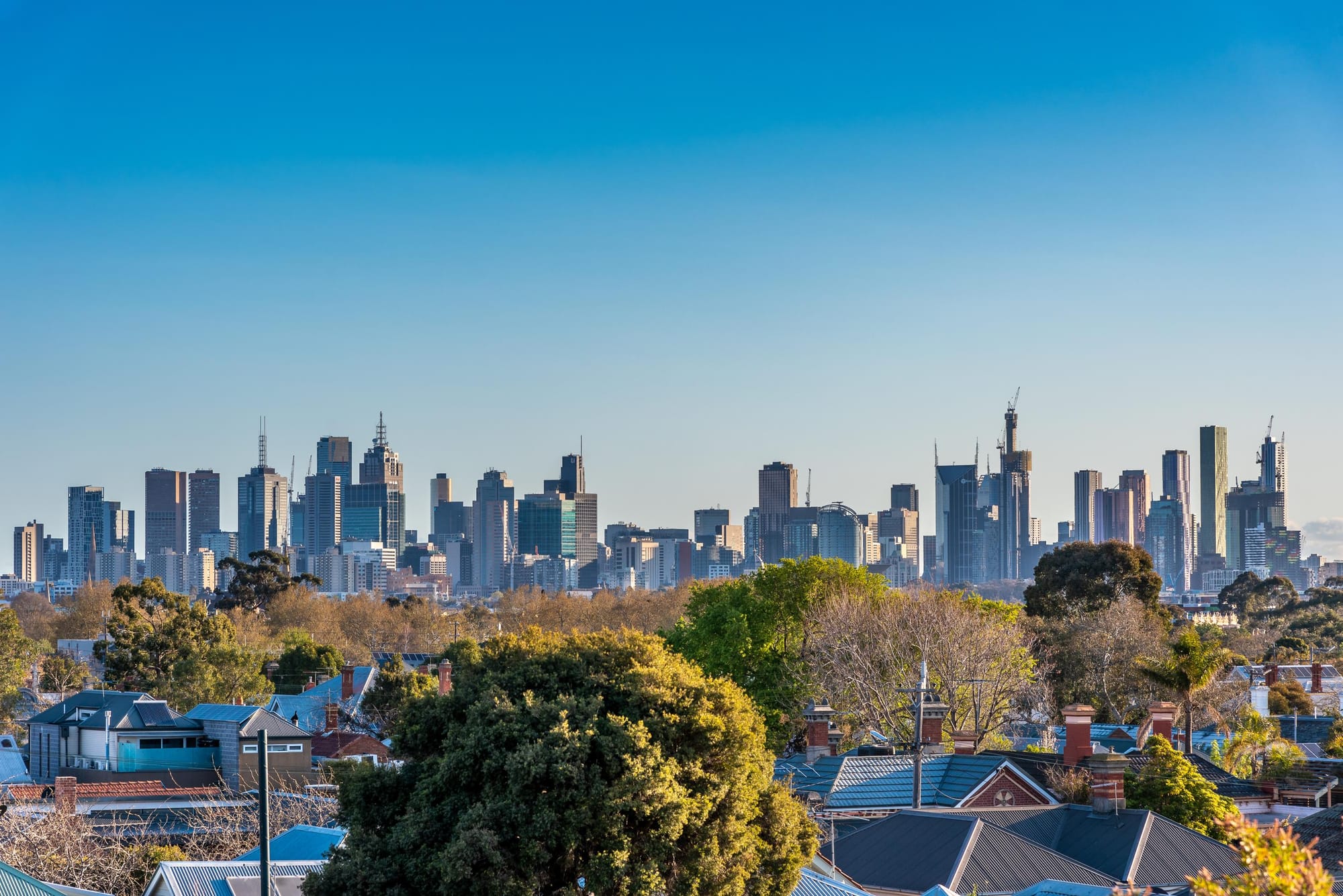
Northcote is the inner north once it’s settled into itself. It’s brunch-heavy, dog-friendly and music-loving, full of people who want school zones and park access as much as they want wine lists and good sound systems. Couples upgrading from share houses, young families, freelancers and working creatives all share the footpaths.
In 2024, High Street was named the world’s coolest street, stealing the crown from strips in Hong Kong, Austin and Buenos Aires. Time Out highlighted a dense run of independent venues, cafes, bars and boutiques through Northcote, Thornbury and Preston, powered by decades of migrant histories and small-business culture.
People love Northcote because it offers continuity: gigs, good food, bars and bookstores integrated into everyday routines. You can do school drop-off, hit a playground, duck into a studio or coworking space and still be a tram ride away from the thick of it on Smith Street.
Northcote also has its own place in the 86’s folklore. Songs From The 86 Tram includes “Northcote (So Hungover)”, a cult little anthem that turns a messy morning on High Street into a love-hate letter to young inner-north life. And, like neighbouring Collingwood, Northcote has become part of Melbourne’s screen grammar: when filmmakers and TV producers want to suggest inner-north intelligence or creative domesticity, these are the kinds of streets they reach for.
Eat
- Pub plates and late dinners at Northcote Social Club, where the food is fuel for nights built around whoever’s on stage.
- Dinner under the rafters at Wesley Anne, a former church turned beloved pub and music venue, perfect for people who want above-average food with their gigs.
- Brunch and smart daytime fare at Barry, embodying High Street’s café-driven daytime culture.
Drink
- Cocktails and late-night buzz at Francesca’s Bar, a Northcote staple where trivia, DJs and happy hours make it a reliable “meet you there” choice.
- Easy pints and long chats at Peacock Inn Hotel, giving the suburb an everyday pub that balances its more curated venues.
- Quiet aperitifs and neighbourhood rounds at Low Key Bar or Purple Emerald, where the social rhythm is more conversation than chaos.
Do
- Catch a show at Northcote Social Club, a pillar of Melbourne’s gig circuit and one of the key reasons music lovers never really age out of Northcote.
- See live sets at Wesley Anne, where a simple midweek gig can feel like a scene thanks to the church bones and candlelit nooks.
- Walk up to Ruckers Hill at dusk, tram wires humming overhead, then drift back down High Street past pubs, wine bars and long-standing shops that capture why this strip now officially ranks as the coolest street in the world.
Thornbury
Gigs, Beer Gardens and Suburban Dreams
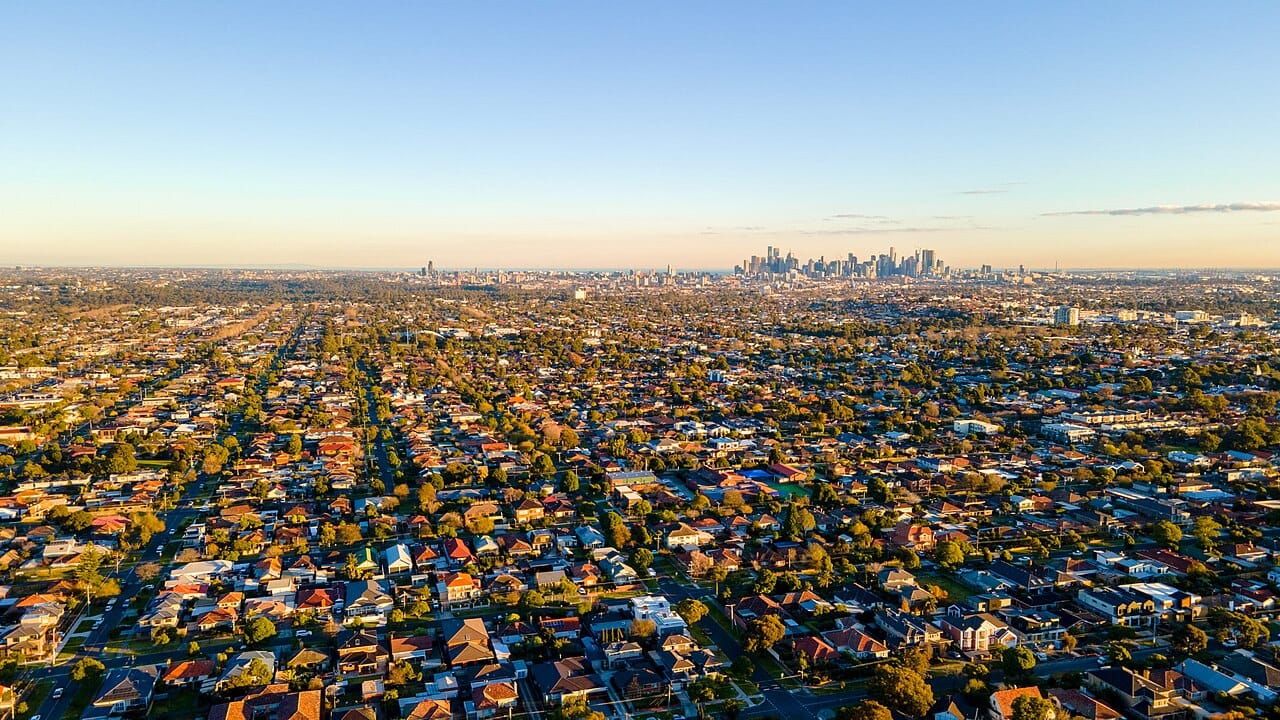
Thornbury is Northcote’s younger, scruffier sibling – the place where first-home buyers, musos and long-time locals all collide. It’s full of musicians hauling gear, artists working odd hours, families in weatherboard houses and new arrivals who looked at a map and thought, this is where the inner north is going next.
People love Thornbury because it offers value and culture in the same breath. You can buy or rent something more realistic, still walk to gigs, and feel like the neighbourhood’s future is being negotiated in real time at the bar. It’s where ambition starts looking a little more domestic, without losing its edge.
As High Street rolls north, Thornbury’s stretch feels like the strip in its band-room, beer-garden phase: bigger venues, bigger groups, more space to spread out and enough energy that you still feel very much in the inner north.
Eat
- Whatever the food trucks are serving at Welcome to Thornbury – burgers, bao, tacos – in a former car factory turned giant inner-north beer garden.
- Italian-leaning brunch and daytime plates at Umberto Espresso Bar, a long-standing High Street favourite that also feeds Thornbury Picture House movie-goers.
- Modern café fare and pastry at Prior Thornbury, one of the suburb’s current go-to cafés for northsiders chasing serious coffee and clever food.
Drink
- Pints and long chats at Franklin’s Bar on High Street, where “local” is a compliment.
- Rotating craft beers and barrel-aged specials at Carwyn Cellars, Thornbury’s temple to good beer and rare bottles.
- Pots, cocktails and dance-floor nights at Bar Lingo and Thornbury Taphouse, giving the strip its party bandwidth.
Do
- Dive into live music seven nights a week at Shotkickers, a musician-built bar that feels like the scene distilled.
- Catch new releases, cult classics and indie films at Thornbury Picture House, a boutique cinema and bar in a converted 1919 motor garage right on High Street.
- Host big-group birthdays, messy reunions and lazy Sundays at Welcome to Thornbury, rotating between food trucks, picnic tables and the bar – the natural extension of inner-north social life once everyone has kids and dogs in tow.
Preston
Agave, Breweries, Markets and Weekends That Feel Endless
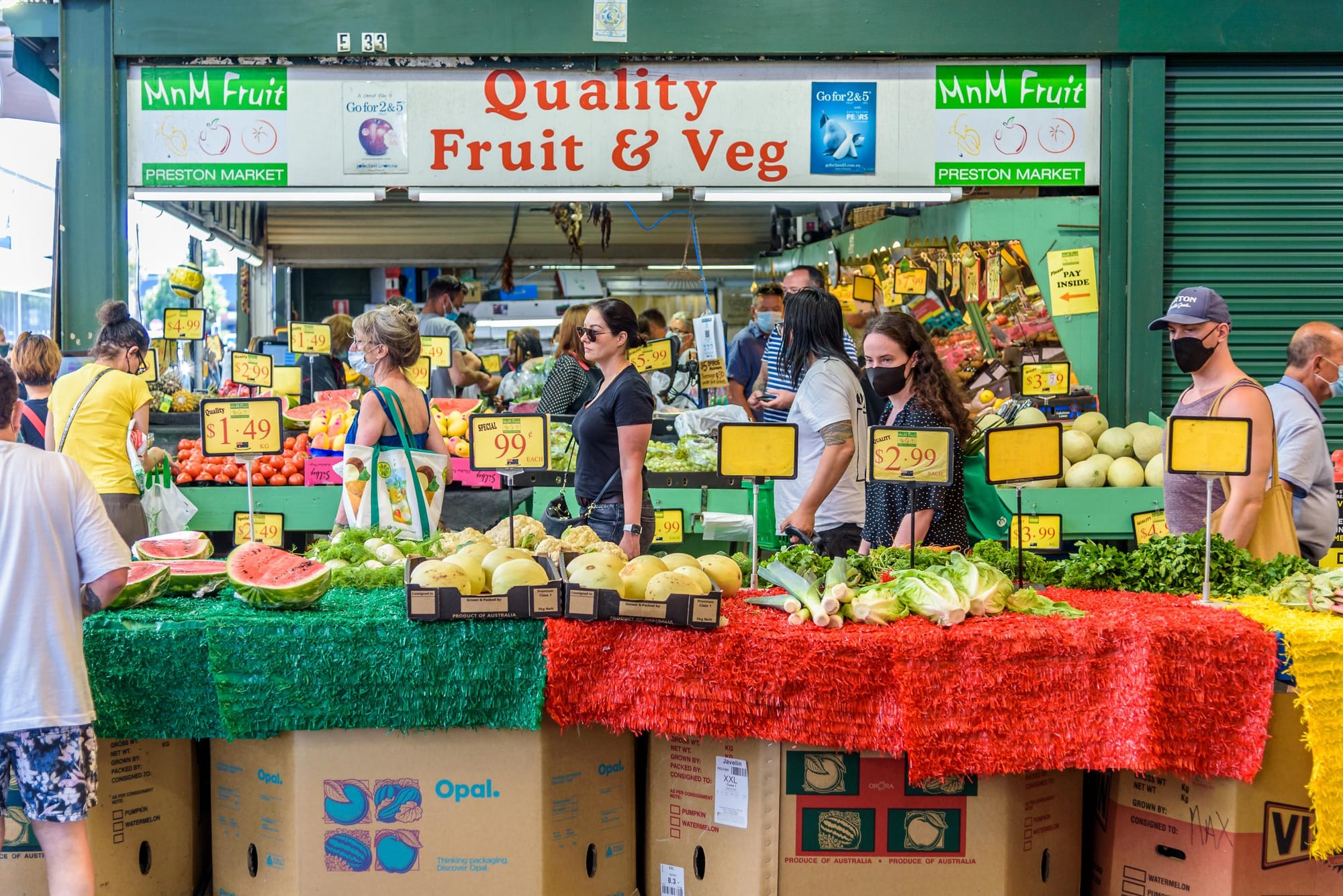
Preston is the point where inner-north culture meets true suburban scale. It’s full of long-standing migrant communities, market regulars, home renovators and young families who’ve shifted north from closer-in suburbs but still want good food and bars in their orbit.
Most famously dubbed “Depreston” by Courtney Barnett – turning a house-hunting trip through Preston’s streets into one of Australia’s most beloved indie songs – the suburb is, in reality, vibrant and diverse. There are strong ties to Chinese, Vietnamese, Italian, Greek, African, Indian and Middle Eastern communities, and a market locals will fight tooth and nail to protect.
Preston Market has become one of Melbourne’s great fresh-food and social hubs, shaped by decades of European and then global migration into a uniquely local mix of produce, snacks and stallholders. It shows up in news and documentary coverage about heritage, multicultural life and urban change because it’s more than just a place to shop – it’s a community anchor.
At the same time, a cluster of breweries, bars and playful venues means Preston’s night-out options are now as compelling as its daytime rituals. The 86 drops you at Plenty Road and Tyler Street, right near an emerging pocket of bars and restaurants, and you’re a short hop from larger draws like Moon Dog World and Tallboy & Moose.
Coburg Drive-In, just beyond Preston’s northern orbit, also deserves a nod. A short drive up the road, the open-air cinema has been part of Melbourne families’ weekend routines for generations, and for many inner-northerners, a tram-plus-car combo from Preston is how they get there.
Eat
- Birria tacos, jalapeño poppers and build-your-own platters at Bar Mexico, a two-storey mezcal bar and restaurant in the old Northside Food Hall that’s become a headline-grabbing Preston destination.
- Sichuan noodles at Tina’s Noodle Kitchen or Cantonese barbecue at C-Culture on High Street, part of the suburb’s deep bench of Chinese favourites.
- Modern Vietnamese at Chumanchu on Gilbert Road, or slow-smoked barbecue and meat doughnuts at Dexter on High Street, showing off Preston’s newer wave of destination dining.
Drink
- Pints and playful beers brewed on site at Tallboy & Moose, a family-friendly brewery in a converted warehouse with its own kitchen.
- Tropical-themed beers and cocktails at Moon Dog World Preston, the suburb’s sprawling, multi-room brewery playground.
- Classic and creative drinks at local haunts like Raccoon Club on Plenty Road or Audacious Monk, part of the Tyler Street and Plenty Road bar pocket locals rave about.
Do
- Bowl, eat and drink at The Keys Leisure Centre, Preston’s neon-lit bowling alley, arcade and bar where inner-north groups now spend entire nights without leaving the building.
- Spend Saturday between local playgrounds, school ovals and Preston Market, folding coffee, groceries and kid time into one walkable loop.
- Drive a little further north for a movie night at Coburg Drive-In, the open-air cinema that has long been part of Preston and Thornbury families’ weekend lore.
Why This Corridor Matters
Decades of accumulated cultural weight is the reason Smith Street and High Street top international lists. Smith Street took the crown in 2021; High Street followed in 2024. Musicians have written albums and songs about riding or arriving along this line: Songs From The 86 Tram, “Northcote (So Hungover)” and Courtney Barnett’s “Depreston”. Novelists have used the inner north to define whole eras of Melbourne life, with Monkey Grip still the clearest example. Offspring put many of these cafes and streets on screen, while Monkey Grip was also adapted into a film, extending the area’s cultural afterlife beyond the page.
If you care about how a city expresses itself, this is where you see it happening in real time: in the venues that survive, the ones that close, the murals that are preserved, the markets that communities fight to protect, the festivals built around the tram route, and the everyday choice of thousands of people to keep living along this spine as their lives change.
That’s the real romance of the 86. You don’t have to trade culture for comfort, or late nights for school mornings. You just keep tapping on, moving a little further up the line.
Member discussion